
The Future of Fashion: Our Investment in Zilo
Chandraneel Polavarapu and Anoop Menon
July 15, 2025
The fashion retail landscape in India stands at a pivotal juncture. While digital transformation has revolutionised many sectors, fashion e-commerce remains surprisingly constrained by fundamental challenges that have persisted for over a decade. As early investors in transformative platforms like Myntra and omnichannel pioneers such as FirstCry and Lenskart we’ve witnessed both the immense potential and the persistent limitations that define India’s fashion commerce.
Today, we’re excited to announce our investment in Zilo, a premium fashion startup that’s redefining the rules of online fashion retail through an innovative approach that bridges the gap between digital convenience and offline experience.
The Fashion Retail Paradox in India
The numbers highlight a significant opportunity waiting to be unlocked. Fashion, as one of the largest consumer categories at $75–80 Bn within the broader $130 Bn lifestyle market, is witnessing strong tailwinds. Notably, premium fashion is the fastest-growing segment, expanding at a 12–15% CAGR, more than double the overall fashion market’s 6% growth. Yet, online penetration remains disproportionately low compared to other categories like electronics and groceries, presenting a compelling white space for digital-first innovation
This limited penetration isn’t due to a lack of demand or digital infrastructure. Instead, it stems from three fundamental problems that have plagued fashion e-commerce since its inception:
Discovery Challenges:The current landscape is cluttered and overwhelming, particularly for discerning consumers in metro and Tier-1 cities. With 84.5% of users reporting difficulties during their online shopping experiences, the most common issues include size and fit inconsistencies, inability to inspect items physically, and lack of personalised options. The cookie-cutter approach to product discovery fails to address the highly emotional nature of fashion purchases.
Customer Experience Gaps:Fashion is inherently personal and experiential. The inability to touch products creates significant barriers, especially for premium items, with uncertainty contributing to 80% of online shopping carts being abandoned before checkout. Traditional e-commerce platforms struggle to replicate the tactile experience that remains crucial for fashion purchases.
Assortment Curation Problems:Despite having access to hundreds of brands, customers often struggle to find products that match their specific preferences and lifestyle needs. The one-size-fits-all approach to inventory management fails to account for the diverse tastes of India’s fashion-conscious consumers.
Healthcare delivery enablers are B2B or B2B2C platforms that improve revenue, profitability, and cash flow for hospitals. These companies don’t deliver care themselves but improve how care is accessed, financed, and managed.
They are solving problems across four critical layers:
Why Zilo Represents a New Paradigm
Zilo, founded by Padmakumar Pal and Bhavik Jhaveri, combines the perfect blend of industry expertise and innovative thinking. Padma’s extensive background as Vice President and Head of Apparel at Flipkart and former VP at Myntra, combined with Bhavik’s product expertise and previous entrepreneurial experience, positions the team uniquely to address fashion retail’s core challenges.
The company’s approach is fundamentally different from traditional fashion e-commerce in three key ways:
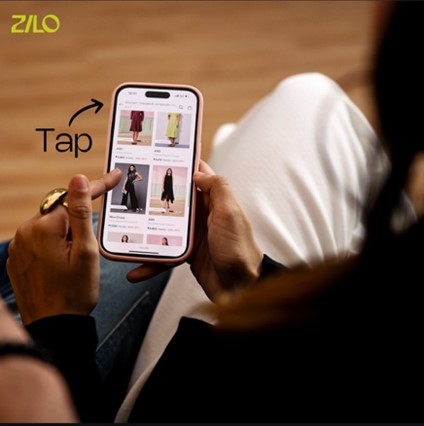
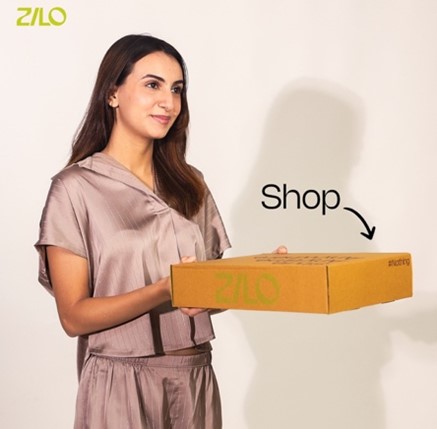
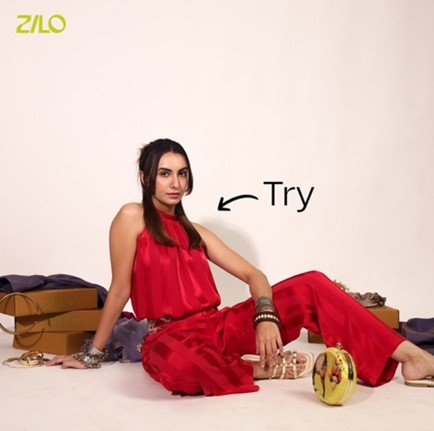
- Experience-First Model:Zilo offers scheduled home trials, instant returns, and AI-powered style recommendations, essentially bringing the trial room to the customer’s doorstep. This addresses the fundamental barrier of not being able to physically experience products before purchase.
- Curated Speed:Unlike broad-based quick commerce platforms, Zilo focuses specifically on fashion, delivering products from over 250 brands, including Levi’s, Louis Philippe, Puma, and The Souled Store, within 60 minutes. This specificity allows for better inventory management and customer service.
- Hybrid Supply Chain:The company has built a hybrid supply chain model that combines the convenience of online shopping with the assurance of physical retail, addressing the trust and reliability concerns that have limited fashion e-commerce adoption.
Our Thesis
Our investment thesis in fashion has been shaped by our experiences as early backers of category-defining companies. When we invested in Myntra at an early stage, we recognised the potential of online fashion retail but also learned about the sector’s inherent complexities.Myntra’s journey from a personalized gifts platform to India’s largest fashion e-commerce destination taught us valuable lessons about the importance of brand partnerships, supply chain efficiency, and customer trust. However, challenges around discovery, experience, and curation still persist.
Similarly, our involvement with omnichannel success stories, such as FirstCry and Lenskart, revealed the power of creating seamless experiences across digital and physical touchpoints. FirstCry’s ability to solve the trust and experience challenges specific to the baby care category and Lenskart’s approach to combining online discovery with offline trials demonstrated how category-specific solutions could drive unprecedented growth.
The timing for Zilo’s approach couldn’t be better. Quick commerce in fashion is transforming retail in India, with the segment expected to grow at 75-85% annually. The market is expected to reach $6 billion in Gross Merchandise Value (GMV) in FY 2025, driven by a younger, technology-savvy generation that expects convenience without compromise. Horizontal platforms would not be able to solve the challenges in fashion due to inherent limitations on curation, especially for the segment that aspires for mid-premium fashion catalogue.
Metro cities like Mumbai, Bangalore, and Delhi/NCR, where Mumbai leads with 25% of fashion store footfall, followed by Bangalore at 18% and Delhi/NCR at 17%, represent the primary target market for Zilo’s premium, experience-focused approach. These cities have the demographic profile and purchasing power to appreciate the value proposition of curated, fast fashion delivery.
The emergence of home trials as a successful model has already been proven in other categories. Companies like Bluestone have achieved 50%+ conversion rates through their home try-on service, demonstrating the power of bringing the physical experience to the customer’s location
The Path Forward
Zilo’s launch comes at a time when fashion retail footfall has increased by 20% in high-street stores and 40% in mall stores, indicating a strong revival in consumer shopping enthusiasm.
The success of similar models in other categories gives us confidence in Zilo’s approach. Just as we’ve seen with our other portfolio companies, the combination of deep industry expertise, innovative technology, and customer-centric design creates sustainable competitive advantages.
As we look toward the future, we believe Zilo represents more than just another e-commerce platform. It embodies our investment philosophy of backing founders who understand that true disruption comes not from doing things faster or cheaper, but from fundamentally reimagining how value is created and delivered to customers.
The fashion retail revolution in India is far from over. With Zilo, we’re not just investing in a company – we’re investing in the future of how India shops for premium fashion, where convenience, quality, and experience converge to create something entirely new.
The journey ahead is ambitious, but with the right team, the right model, and the right market opportunity, we’re confident that Zilo will help define the next chapter of India’s fashion retail story.
If you are building in the consumer space and wish to have a conversation, do reach out to anoop@chiratae.com and chandraneel@chiratae.com